2.2.8. ʃ/ʒ
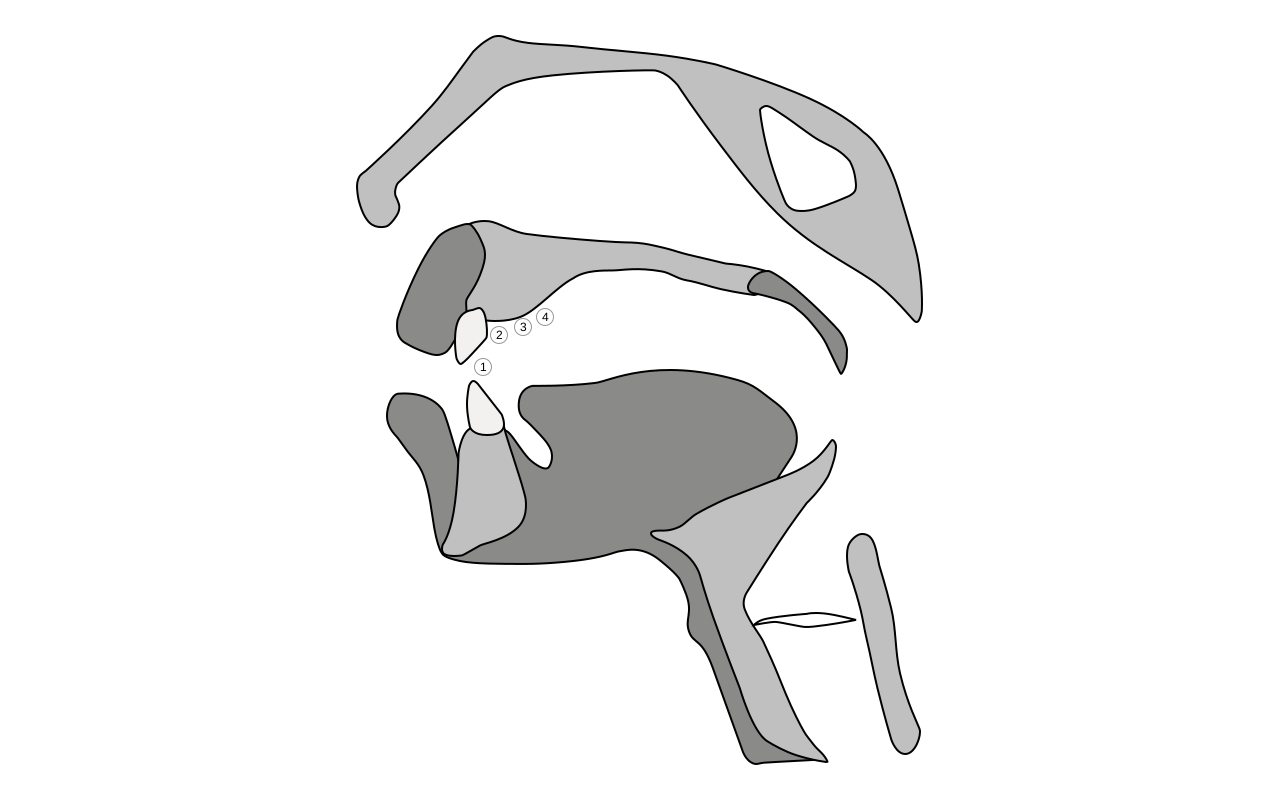
ʃ 对很多人来说也许难度并不大,然而,ʒ 却可能非常难。再一次,关键在于发声时舌尖的起始位置 —— 即,位置 ③(参见 1.4)
The pronunciation of ʃ may not pose much of a challenge for many people, yet ʒ can be extremely tough. Once again, the key lies in the initial position of the tongue tip when making the sound, i.e. position ③ (as described in 1.4).

比较一下以下的辅音:
Let's compare following consonants:
- t/d 的舌尖起始位置时贴在龈脊的前部 ③;
- For t/d, the tongue tip begins at the front part of alveolar ridge ③;
- s/z 要相对于 t/d 往前一些,贴近但没有接触到牙齿和牙龈的接缝处 ②;
- For s/z, it's closer to the front compared to t/d, near but not touching the seam between the teeth and gums ②;
- θ/ð 要相对于 s/z再往前一些,贴在牙齿上,或者伸出牙齿一点点 ①;
- For θ/ð, it's even more forward than s/z, resting on the teeth, or protruding a bit ①;
- ʃ/ʒ 和 t/d 一样,贴近但没有接触到龈脊的那个部位 ③;
- For ʃ/ʒ, it's almost same as t/d, near but not touching the part of the alveolar ridge ③;
- r 相对于 ʃ/ʒ 还要再往后一点,贴在龈脊的那个部位 ④……
- For r, it's further back than ʃ/ʒ, touching the part of the alveolar ridge ④...
除了英语之外,大多语言里没有 ʒ 这个辅音。即便是在英语里,含有这个辅音的词汇也很少,常见的不过几十个而已。
Apart from English, most languages do not have the ʒ consonant. Even in English, there are only a handful of words that contain this sound.
中国学生会不由自主地用 dʒ 替代 ʒ —— 因为 dʒ 是一个他们熟悉的辅音,相当于中文拼音中的 zh。ʒ 和 dʒ 的区别在于,ʒ 发声时舌尖贴近但没有接触到龈脊;而 dʒ 发声时起始的舌尖贴在龈脊(与 ʒ 同一个位置 ③)。
Chinese students tend to instinctively substitute ʒ with dʒ - a consonant they're familiar with, equivalent to the zh in Chinese Pinyin. The difference between ʒ and dʒ is that, when pronouncing ʒ, the tip of the tongue is close to but not touching the the alveolar ridge while for dʒ, the tongue tip starts at the the alveolar ridge (same position as ʒ ③).
少数人知道 dʒ 替代 ʒ 不是一回事,但,由于舌尖起始位置并不准确,所以他们说出来的 ʒ 听起来更接近 r —— 舌尖缩得过头了 —— r ④ 发声时起始的舌尖位置相对于 ʒ ③ 要更靠后一点。
A few understand that substituting dʒ for ʒ isn't accurate. However, because their tongue tip positioning isn't precise, their ʒ sound often ends up sounding more like r - they retract their tongue tip too far - r ④ is pronounced with the tongue tip further back compared to ʒ ③ .